Source : http://fitnessmagz.club/high-cholesterol-triggers-osteoarthritis-study-finds/
Osteoarthritis (OA) is the most prevalent type of arthritis, according to the CDC, an estimated 30.8 million adults in the United States had OA from 2008 to 2011. Also, the report states that 1 in 2 people might develop knee osteoarthritis by the age of 85, while 2 in 3 obese people will also develop this joint disorder in their lifetime. Many factors contribute to the development of this disease, but scientists keep identifying new ones as well. For example, the latest study showed that high cholesterol could trigger osteoarthritis.
That’s why they used mice and diet-induced hypercholesterolemic rats to explore the effects of cholesterol on the progression of the most common type of arthritis. Surgical destabilization of the knee was performed to induce the OA in animals so scientists can analyze how it acts in combination with familial hypercholesterolemia. The FASEB Journal published the results of this groundbreaking study which demonstrated that both mice and rats had osteoarthritis-like changes such as:
 Findings also showed that the high cholesterol levels led to
mitochondrial dysfunction, overproduction of reactive oxygen species,
and heightened expression of degenerative markers in the breakdown of
cartilage and chondrocytes (cells which secreted matrix of cartilage and
became embedded in it).
Findings also showed that the high cholesterol levels led to
mitochondrial dysfunction, overproduction of reactive oxygen species,
and heightened expression of degenerative markers in the breakdown of
cartilage and chondrocytes (cells which secreted matrix of cartilage and
became embedded in it).
Osteoarthritis (OA) is the most prevalent type of arthritis, according to the CDC, an estimated 30.8 million adults in the United States had OA from 2008 to 2011. Also, the report states that 1 in 2 people might develop knee osteoarthritis by the age of 85, while 2 in 3 obese people will also develop this joint disorder in their lifetime. Many factors contribute to the development of this disease, but scientists keep identifying new ones as well. For example, the latest study showed that high cholesterol could trigger osteoarthritis.
High Cholesterol and OA link
High cholesterol is strongly associated with increased risk of heart diseases, but its danger doesn’t stop there. The study carried out by a team of researchers at the Queensland University of Technology showed that high cholesterol levels could also lead to bone loss. They conducted this research primarily because the contribution of metabolic factors on the severity of OA isn’t fully understood or appreciated.That’s why they used mice and diet-induced hypercholesterolemic rats to explore the effects of cholesterol on the progression of the most common type of arthritis. Surgical destabilization of the knee was performed to induce the OA in animals so scientists can analyze how it acts in combination with familial hypercholesterolemia. The FASEB Journal published the results of this groundbreaking study which demonstrated that both mice and rats had osteoarthritis-like changes such as:
- Loss of proteoglycans
- Collagen and aggrecan (cartilage-specific proteoglycan protein) degradation
- Formation of osteophyte (a bony projection linked to degradation of joint cartilage)
- Alterations to subchondral bone architecture
- Cartilage degradation
Scientists concluded the study explaining
that higher cholesterol levels have the potential to precipitate
progression of OA through mitochondrial dysfunction in chondrocytes.
These results shed the new light on this joint disorder, and they show
that although it was assumed that scientists uncovered different angles
of this disease, there’s still a lot we don’t know about it.
Importantly, using antioxidants to address the mitochondrial dysfunction
is a good way to attenuate the progression of osteoarthritis.
Scientists exposed both mice and rats to the cholesterol-lowering drug
Atorvastatin and mitochondrion-targeted antioxidants, the development of
OA decreased significantly, comparing to animals from the control
group. According to scientists, the study analyzed the potential
therapeutic role of antioxidants that target mitochondria in
osteoarthritis induced by high cholesterol. Their goal is to create new
therapies and medications that would be beneficial for OA sufferers.
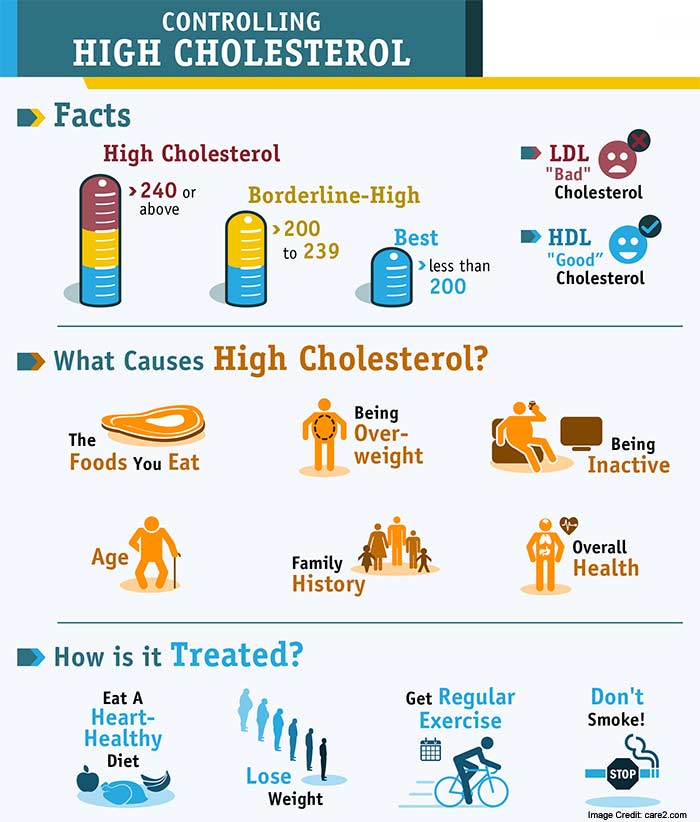
Managing Cholesterol
According to the CDC, 73.5 million adults or 31.7% of the US
population have increased levels of LDL or bad cholesterol. Only 1 out
of 3 people with LDL cholesterol has the condition under control. High
cholesterol levels are a risk factor for many diseases including twice
the risk of heart disease, and the latest research showed it could also
trigger osteoarthritis. Luckily, you can do a lot about that with simple
tips to put it under control. For example:
- Avoid consumption of trans fats
- Include olive oil to your diet
- Get enough of Omega-3 fatty acids
- Exercise
- Increase fiber intake
- Quit smoking
- Manage healthy weight
- Limit alcohol intake.

No comments:
Post a Comment